
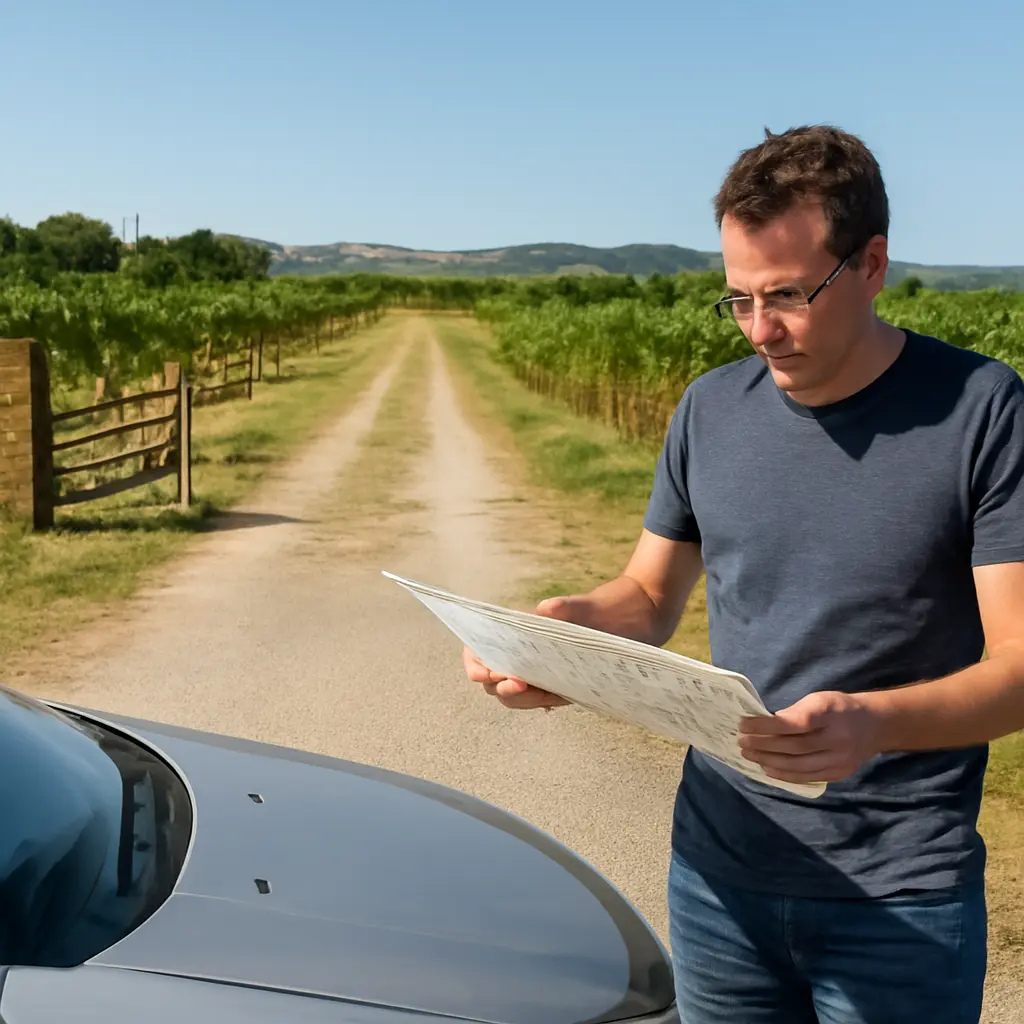
Local winery staff usually recommend choosing transportation before choosing tasting-room stops: designate a sober driver, book a wine-country tour or driver, or use a locally available shuttle or rideshare—and confirm the return trip before you start tasting. Their practical advice reflects a simple mismatch: wine tasting involves alcohol, while vineyards are often spread across rural roads where transit and on-demand rides can be limited. In Napa Valley, for example, the Napa Valley Wine Train offers a rail-based excursion, while Sonoma County’s transit agency serves specific routes rather than every winery. This guide explains how winery recommendations work, compares driving alternatives, and shows how to plan for local conditions, cost, and safety.
Winery staff’s transportation advice prioritizes a safe, preplanned ride
For this article, “local winery staff recommendations” means practical guidance from tasting-room and visitor-information staff about how guests can travel between wineries and return safely. It is not a single official rule or a survey-based ranking: recommendations vary with location, season, winery access, and whether visitors are traveling as a couple or group. The consistent principle is to arrange a sober transportation plan in advance rather than assume a ride will be available after tasting.
That guidance matters because alcohol impairment can begin before a person feels noticeably drunk. The National Highway Traffic Safety Administration says driving is impaired at a blood alcohol concentration of .08% in most states, and that even small amounts of alcohol can affect driving ability. A tasting itinerary can involve several pours at multiple stops, so staff commonly steer visitors toward a designated driver, hired transportation, or an organized tour instead of self-driving between appointments.
Designated drivers and sober companions
A designated driver is a member of the group who abstains from alcohol and takes responsibility for driving. This is often the most direct option for visitors with a car, but it works only when the group agrees on the plan beforehand and the driver remains sober throughout the day. Some wineries offer complimentary or discounted tastings for designated drivers, but policies differ; ask each tasting room when booking.
A sober driver also needs a realistic route. Winery roads can be narrow, winding, or poorly lit, and some tasting rooms are separated by long distances. Staff can help identify nearby stops, parking rules, and appointment times, but visitors should not treat a short map distance as proof that a route is easy or safe.
Tours, hired drivers, and shuttles
An organized tour or hired driver transfers the driving responsibility to a professional and can simplify a multi-stop itinerary. Options range from group buses and small-group tours to private drivers and chauffeur services. Confirm what the price includes—such as pickup, waiting time, tasting reservations, gratuities, and winery fees—and check whether the operator serves the specific addresses on the itinerary.
Rail and shuttle services can also be part of the plan, but they do not necessarily provide door-to-door winery access. The Napa Valley Wine Train, for instance, offers a scheduled train experience through the valley; it is not a general-purpose transit connection to every tasting room. Public transit likewise follows fixed routes and timetables. Check the current operator schedule and the distance from each stop to the winery before relying on it.
Once the sober-driver and tour options are clear, the next decision is whether app-based rides or public transportation can reliably cover the particular wine route.
Rideshares and public transit depend on the wine region
A rideshare is a trip requested through an app, while public transit operates on fixed routes and schedules. Both can work in wine country, but neither should be assumed available everywhere or at all hours. Rural pickup locations, weak mobile coverage, peak visitor demand, and long distances between wineries can affect wait times and fares. Local staff may know which services commonly reach their area, but visitors should verify availability directly on the day of travel.
Rideshare availability and return-trip planning
Rideshares are most useful when pickups and drop-offs fall within an active service area and the group has a confirmed way back. Before tasting, check the app from the winery’s address, consider whether drivers can access the property, and save the winery’s exact pickup instructions. If service is sparse, arrange a driver or tour instead of depending on an uncertain request after the last appointment.
A useful practice is to confirm the return journey before the first pour. Ask the winery whether drivers routinely collect guests at its entrance, whether a designated pickup point is required, and whether cellular service is dependable. These details can matter more than the advertised distance to the next stop.
Public transit, rail, and fixed-route services
Public transit is a lower-cost choice when its route and timetable match the itinerary. Sonoma County Transit publishes local route and schedule information, while Napa Valley visitors can consult regional transit providers for available connections. Service coverage is not the same as winery coverage: a bus may reach a town or highway corridor without stopping at a tasting room, and the remaining walk may be unsuitable on rural roads.
Treat transit as a complete chain of travel: lodging to the first stop, movement between tasting areas, and the final return. Check the latest weekday, weekend, and holiday schedules, and leave a buffer for delays. The Federal Transit Administration’s National Transit Database tracks public transportation service and ridership nationally, but regional data cannot establish whether a particular winery is practically reachable; the route map and current operator information are the decisive sources for trip planning.
Walking and cycling are limited, route-specific choices
Walking or cycling can be enjoyable in compact, designated wine districts, but is not a universal substitute for a driver. Vineyards may be far apart, roads may lack sidewalks or protected bike lanes, and hills, heat, and limited lighting can make a return trip difficult. Ask staff about the exact route and road conditions, and never cycle after consuming alcohol.
With transportation choices understood, visitors can build a more comfortable day by matching the itinerary to the group, tasting pace, and reservation schedule.
A practical winery itinerary starts with distance, timing, and reservations
A winery itinerary is a sequence of visits organized around travel time, appointment availability, and the group’s preferences. Staff can often suggest nearby wineries or realistic visit durations, but opening hours, tasting formats, and reservation rules change. A manageable plan generally favors a small number of well-spaced visits over a packed schedule that leaves no time for food, delays, or transport.
Group wineries by location
Grouping stops within one town, valley, or cluster reduces unnecessary backtracking and makes it easier to coordinate a driver. Use winery addresses rather than broad region names when estimating travel time. Ask staff whether nearby roads are suitable for a shuttle, private vehicle, or bicycle, and allow extra time for rural traffic and check-in.
Book appointments and clarify tasting policies
Many wineries use reservations, timed tastings, or limited seating, especially during busy periods. Confirm the arrival window, party size, cancellation terms, tasting fee, and whether outside drivers or tour groups need advance notice. Staff recommendations are most useful when visitors share their transportation method and schedule constraints before asking for route suggestions.
Add food, water, and a realistic pace
Food and water support comfort, but do not sober a person up or make it safe to drive after drinking. The Centers for Disease Control and Prevention explains that only time reduces blood alcohol concentration. Plan meals and water breaks as part of the day, follow tasting-room guidance, and keep the sober-transport plan unchanged even if the group feels fine.
These planning steps lead to a simple checklist visitors can use when contacting wineries and transportation providers.
Questions to ask winery staff before arrival
A brief conversation with a tasting room can surface local details that a general map will not show. Ask specific questions, then verify transportation availability with the relevant operator.
- Which transportation options reliably serve this winery and its entrance?
- Is there a recommended pickup point for taxis or rideshares?
- Are reservations required, and how long should guests allow for the tasting?
- Are designated-driver tastings available, and what are the current terms?
- Can a tour vehicle access the property, and does the winery require advance notice?
- Are there road, walking, cycling, or cellular-service limitations visitors should know about?
- What is the safest practical way to return to our lodging after the final stop?
Conclusion: choose transportation before the tasting route
Local winery staff recommendations are best understood as place-specific guidance, not a one-size-fits-all transportation ranking. The most dependable approach is to secure a sober driver, professional tour, or confirmed ride plan first; then check whether public transit, rail, or active travel fits the exact locations and timetable. Group nearby wineries, reserve appointments, allow time for food and rest, and verify the return trip before tasting. For further planning, consult winery visitor information and current transit or tour-operator schedules—and never drive or cycle after drinking.
Sources: National Highway Traffic Safety Administration, “Drunk Driving,” https://www.nhtsa.gov/risky-driving/drunk-driving; Centers for Disease Control and Prevention, “About Alcohol Use,” https://www.cdc.gov/alcohol/about-alcohol-use/index.html; Napa Valley Wine Train, “Official Website,” https://www.winetrain.com/; Sonoma County Transit, “Routes and Schedules,” https://sctransit.com/routes-schedules/; Federal Transit Administration, “National Transit Database,” https://www.transit.dot.gov/ntd.