
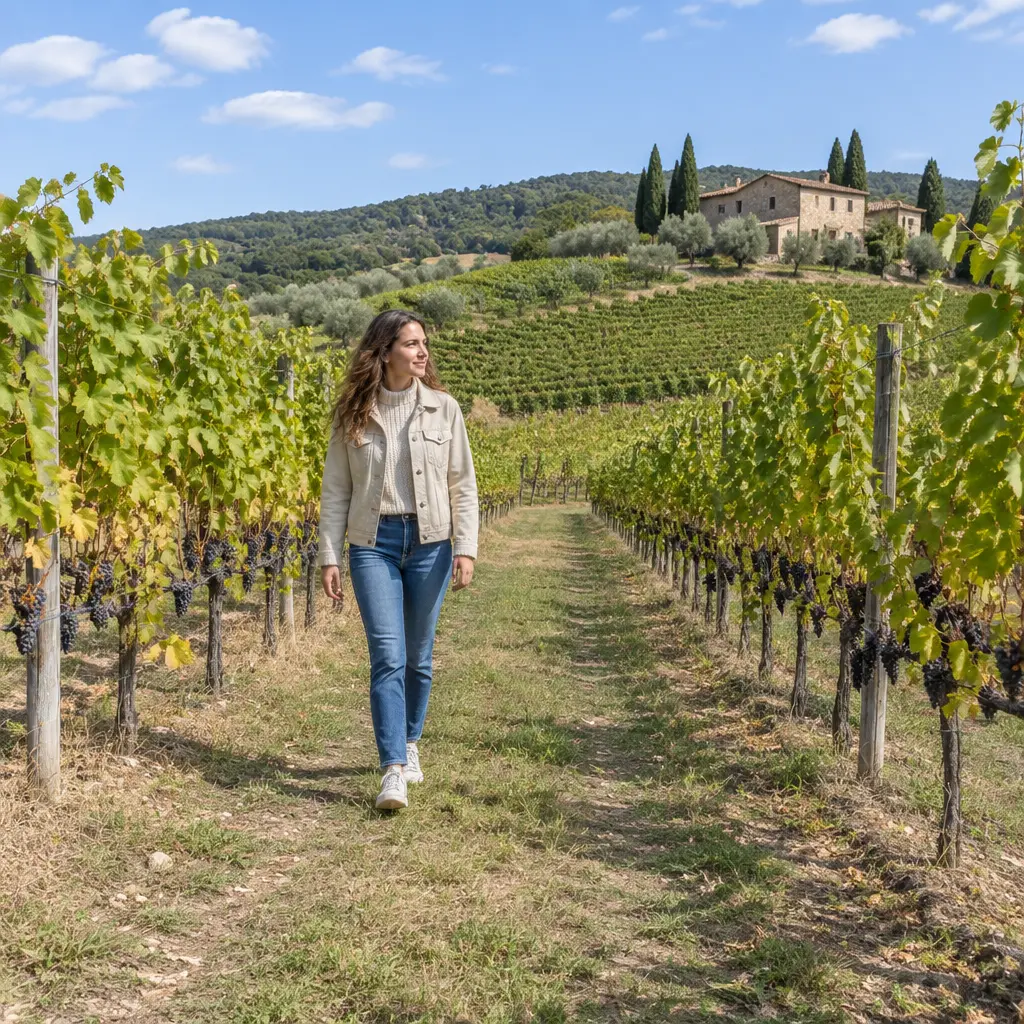
Vineyard destinations combine wine, landscape, local food, and cultural history in places where visitors can see how grapes become a sense of place. The ten destinations below span six countries and a range of wine styles, from Champagne’s chalk-cellar heritage to Mendoza’s high-altitude Malbec and New Zealand’s cool-climate Sauvignon Blanc. They are worth considering for a once-in-a-lifetime trip not simply because they produce acclaimed wines, but because each offers a distinctive way to experience its region. The list draws on geographic and wine-region facts from organizations including UNESCO, regional wine associations, and national tourism authorities; winery access, opening hours, and tasting rules can change, so check directly before traveling.
What makes a vineyard destination worth visiting?
A vineyard destination is a place where winegrowing is closely connected to landscape, community, and visitor experiences. The International Organisation of Vine and Wine (OIV) describes wine tourism as tourism that includes experiences linked to vineyards, wineries, and wine-producing regions. In practice, that may mean cellar tours, tastings, harvest events, food pairings, architecture, and time outdoors—not just a glass of wine.
The destinations below were selected for a combination of distinctive wine identity, scenic or cultural character, and opportunities to learn about local production. Wine-quality judgments are inherently subjective, and vineyard travel is seasonal: harvest dates, weather, and winery schedules vary from year to year. Treat the suggestions as starting points for planning rather than guarantees of availability.
A note on geography and responsible visits
“Vineyard destination” can refer to an entire wine region, a town within it, or a cluster of estates. The places here are regions or regional hubs, not endorsements of individual wineries. Use designated drivers, book tastings where required, and follow local guidance on water use, walking routes, and vineyard access. In dry winegrowing regions especially, responsible tourism includes respecting the pressures that agriculture and visitors can place on limited resources.
10 vineyard destinations worth visiting once in a lifetime
1. Bordeaux, France: historic estates and celebrated blends
Bordeaux is one of the world’s best-known wine regions, organized around the Gironde estuary and the Garonne and Dordogne rivers. Its vineyards produce both red and white wines, with red blends commonly built around Cabernet Sauvignon, Merlot, and Cabernet Franc. The Bordeaux Wine Council (CIVB) identifies a region of roughly 110,000 hectares of vines, although vineyard area and production change over time.
Visitors can pair winery appointments with the city’s historic center, recognized as a UNESCO World Heritage property, and excursions to wine villages such as Saint-Émilion. The region’s scale is part of its appeal: landscapes and styles differ across the Left Bank, Right Bank, and Entre-Deux-Mers. Plan transport in advance, since estates are spread across a large area and many require reservations.
2. Champagne, France: chalk cellars and sparkling-wine heritage
Champagne is the northern French wine region associated with the traditional-method sparkling wine that bears its name. UNESCO inscribed the Champagne Hillsides, Houses, and Cellars on its World Heritage List in 2015, recognizing the vineyards, historic production sites, and underground cellars around Reims and Épernay. The region’s cool climate and chalk-rich soils are central to its distinctive growing conditions.
A visit may include a cellar tour, a walk among vineyard slopes, or time in Reims to see its cathedral and historic architecture. Champagne houses and grower-producers offer different perspectives, but opening policies vary; book ahead and check age and tasting requirements. The protected name also has strict geographic and production rules, making the connection between place and product unusually clear.
3. Tuscany, Italy: hill towns, Sangiovese, and food culture
Tuscany is a broad central Italian region with a wine culture closely tied to hilltop towns, olive groves, and regional cooking. Its best-known red-wine areas include Chianti Classico, Montalcino, and Montepulciano, where Sangiovese is an important grape. The Chianti Classico consortium describes its designated area as extending between Florence and Siena, a useful base for combining tastings with cultural visits.
Tuscany’s appeal lies in the relationship between vineyards and everyday regional life: cellar visits can be paired with local dishes, historic villages, and countryside drives. For a slower itinerary, choose one subregion rather than trying to cover the whole region in a day. Harvest usually takes place in autumn, but dates depend on the vintage and individual producer.
4. Douro Valley, Portugal: terraced vineyards above the river
The Douro Valley follows the Douro River inland from Porto through steep, terraced hillsides. UNESCO lists the Alto Douro Wine Region as a World Heritage cultural landscape, noting the long history of wine production and the way human cultivation shaped the terrain. The region is strongly associated with Port, as well as dry red and white wines.
River travel, viewpoints, and visits to wine estates make the Douro especially rewarding for travelers who want landscape as much as tasting. Its steep slopes and winding roads can make distances feel longer than they look on a map, so consider rail, river cruises, or a locally guided excursion. Summer heat can be intense; spring and autumn often offer more comfortable conditions, though weather varies.
5. Rioja, Spain: historic cellars and modern architecture
Rioja is a major Spanish wine region along the Ebro River, known especially for Tempranillo-based reds and for wines aged in oak. The region’s official wine council describes three subzones—Rioja Alta, Rioja Alavesa, and Rioja Oriental—with differing climates and landscapes. That variety gives visitors a chance to compare producers and settings within a compact, road-trip-friendly region.
In addition to traditional bodegas and barrel cellars, Rioja has become known for winery architecture, including landmark contemporary buildings. The town of Haro is a useful base for cellar visits, while nearby villages offer historic streets and regional food. Ask wineries about transport and booking policies, particularly if planning several tastings in one day.
6. Stellenbosch, South Africa: Cape scenery and diverse wine styles
Stellenbosch sits in South Africa’s Western Cape, where vineyards meet mountain slopes and Cape Dutch heritage. The Stellenbosch Wine Routes describe a network of wine farms across the district, with varieties including Cabernet Sauvignon, Chenin Blanc, and Pinotage. The region is also close enough to Cape Town to work as a multi-day addition to a broader South African itinerary.
Visitors can combine tastings with historic town streets, restaurants, and mountain scenery. South Africa’s wine industry has a long and complex history, and responsible travelers may wish to learn about labor, land, and community initiatives alongside the wines. Use a designated driver or booked transport; tasting rooms and estates are dispersed across the countryside.
7. Mendoza, Argentina: Malbec beneath the Andes
Mendoza is Argentina’s leading wine-producing province, set at the eastern foothills of the Andes. The Wines of Argentina association identifies Malbec as the country’s signature variety, and Mendoza’s high-altitude vineyards are a defining feature of the region. The province’s districts, including Luján de Cuyo and the Uco Valley, differ in elevation, climate, and soils.
The combination of mountain views, winery visits, and regional cuisine makes Mendoza a strong choice for travelers seeking both scenery and wine education. Because the region is arid, irrigation is essential to viticulture; the National Institute of Viticulture (INV) and regional sources document the importance of water management in this dry environment. Visitors should be mindful of local water pressures and plan transfers between wineries, which may be widely separated.
8. Napa Valley, California: a compact route through varied appellations
Napa Valley is a California American Viticultural Area (AVA), a legally defined grape-growing region whose boundaries indicate a distinct geographic identity. The Napa Valley Vintners organization reports that the valley contains 16 nested AVAs, reflecting differences in climate, terrain, and soils. Cabernet Sauvignon is prominent, but the region also grows Chardonnay, Merlot, and other varieties.
Napa’s appeal includes tasting rooms, food experiences, and access to a range of vineyard settings within a relatively compact valley. Reservations are common, and tasting fees can vary substantially, so build an itinerary around a manageable number of visits. The region has also faced wildfire and drought risks; travelers should check current conditions and follow official safety guidance.
9. Willamette Valley, Oregon: cool-climate Pinot Noir
Oregon’s Willamette Valley is a cool-climate wine region best known for Pinot Noir, alongside Chardonnay and other varieties. The Willamette Valley Wineries Association identifies multiple sub-AVAs within the broader region, including Dundee Hills and Eola-Amity Hills. Its rolling hills and relatively close proximity to Portland make it a practical destination for a longer weekend or a slower wine-country trip.
Compared with warmer wine regions, the valley’s climate helps shape lighter-bodied, higher-acidity expressions of Pinot Noir, though individual wines vary by site and producer. Visitors can make the most of the region by booking appointments and choosing a small geographic area for each day. The local wine community also emphasizes sustainable farming, but certifications and practices differ among vineyards, so ask producers about their specific approach.
10. Marlborough, New Zealand: Sauvignon Blanc and coastal landscapes
Marlborough, at the top of New Zealand’s South Island, is the country’s largest wine region and is internationally associated with Sauvignon Blanc. New Zealand Winegrowers reports that Sauvignon Blanc accounts for the majority of the country’s wine exports, with Marlborough central to that reputation. The region’s sunny growing season and cool nights contribute to its distinctive aromatic styles.
Wine visits can be combined with cycling routes, local seafood, and excursions around the Marlborough Sounds. The region is spread across several subareas, so allow time for transport and check whether tasting rooms require advance booking. Travelers interested in the wider wine story can also explore how export markets and changing climate conditions are influencing vineyard practices.
How to plan a meaningful vineyard trip
The best itinerary balances tasting with time to understand the region. Choose a season that suits your priorities: harvest brings activity but can mean crowded schedules, while quieter months may offer easier bookings and more personal conversations. A practical plan includes no more than a few winery visits in a day, meals between tastings, and prearranged transportation.
- Book appointments and confirm hours directly with wineries, especially outside peak season.
- Check local rules for tasting, driving, photography, and vineyard access.
- Choose regional transport or a designated driver rather than driving after drinking.
- Look beyond famous labels: small producers, local markets, and regional museums can add context.
- Pack for changing weather and terrain, including sun protection for exposed vineyards.
Conclusion: vineyard travel connects wine to place
These ten destinations show how vineyard travel can bring together landscape, history, food, and distinctive wine traditions. Bordeaux and Champagne offer deep roots in European wine culture; Tuscany, the Douro, and Rioja connect vineyards with historic towns and regional cuisine; Stellenbosch and Mendoza bring striking mountain settings; and Napa, the Willamette Valley, and Marlborough showcase varied New World styles.
A memorable vineyard visit is less about checking off the most wineries than understanding why a place tastes and feels different. Choose a region that matches your interests, travel responsibly, and consult local tourism and wine organizations before booking. For further planning, explore each region’s official wine association and destination guidance for current itineraries, seasonal conditions, and visitor policies.
Sources: International Organisation of Vine and Wine, Wine Tourism, https://www.oiv.int/what-we-do/major-issues/wine-tourism; Bordeaux Wine Council (CIVB), Bordeaux Wines, https://www.bordeaux.com/; UNESCO World Heritage Centre, Champagne Hillsides, Houses and Cellars, https://whc.unesco.org/en/list/1465/; Consorzio Vino Chianti Classico, The Territory, https://www.chianticlassico.com/en/territory/; UNESCO World Heritage Centre, Alto Douro Wine Region, https://whc.unesco.org/en/list/1046/; Rioja Wine, The Rioja Region, https://riojawine.com/en/; Stellenbosch Wine Routes, About Stellenbosch, https://www.wineroute.co.za/; Wines of Argentina, Mendoza, https://www.winesofargentina.org/; Napa Valley Vintners, Napa Valley AVAs, https://napavintners.com/napa_valley/avas.asp; Willamette Valley Wineries Association, Willamette Valley AVAs, https://www.willamettewines.com/; New Zealand Winegrowers, New Zealand Wine Industry, https://www.nzwine.com/en/industry/.