
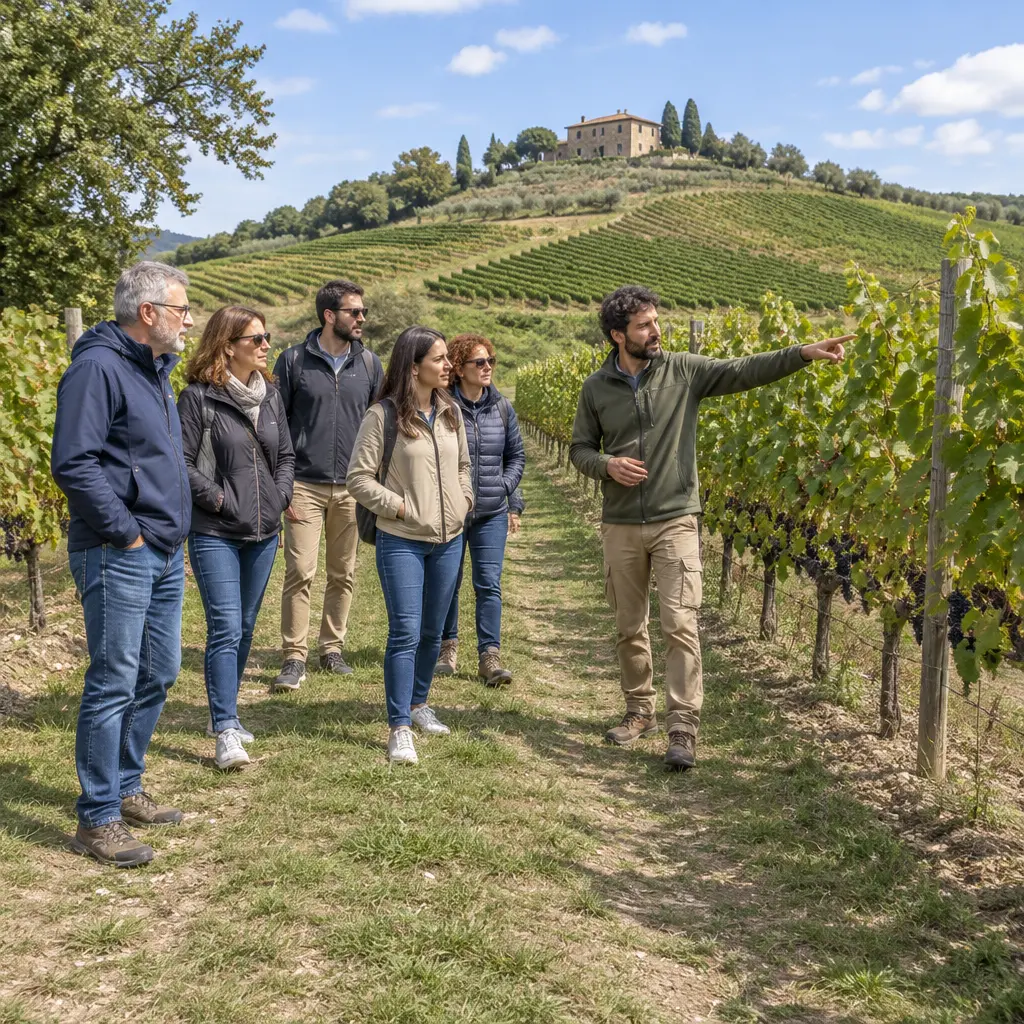
A guided vineyard tour and tasting combines a walk through grape-growing landscapes with an educator-led introduction to winemaking and a structured wine tasting. Visitors can generally expect to learn how site, climate, grape variety, and vineyard practices influence wine, then sample a selection while a guide explains what to notice. The experience varies by winery, but understanding its usual stages, tasting etiquette, accessibility, and booking details can help you choose a tour that fits your interests and make the most of your visit.
What a Guided Vineyard Tour and Tasting Includes
A guided vineyard tour and tasting is a winery-hosted visit in which a knowledgeable guide interprets grape growing and wine production, often followed by a tasting of selected wines. The definition is practical rather than standardized: wineries set their own route, duration, educational depth, and tasting format. Wine educator Karen MacNeil, author of The Wine Bible, emphasizes that wine is best understood through the interaction of place, grape, and human decisions—a useful framework for following a tour from vineyard to glass.
A typical visit may include an introduction to the property, a walk among the vines, a look at production areas, and a seated or standing tasting. Not every tour includes every stop: weather, harvest activity, safety rules, and winery operations can change the itinerary. In the United States, the Alcohol and Tobacco Tax and Trade Bureau recognizes more than 260 American Viticultural Areas, or AVAs, illustrating the diversity of officially defined grape-growing regions visitors may encounter.
The vineyard walk: site, vines, and seasonal work
The vineyard portion explains how grapes grow and why a particular site matters. Guides may discuss soil, slope, sunlight, rainfall, temperature, drainage, grape varieties, vine training, pruning, canopy management, and harvest timing. These factors are connected: for example, a slope can affect drainage and sunlight exposure, while the choice of grape variety can reflect local climate and the style a winery aims to produce.
The view changes with the season. A spring visit may show emerging shoots; summer tours can focus on canopy growth and ripening fruit; autumn may coincide with harvest; and winter often reveals the structure of dormant vines and recent pruning. The International Organisation of Vine and Wine reported that the world had about 7.2 million hectares of vineyard area in 2023. That global scale helps explain why there is no single vineyard-tour experience: climate, growing practices, and local traditions differ widely.
The winery and cellar: how grapes become wine
A winery or cellar stop connects vineyard decisions with winemaking. Depending on the property, the guide may explain sorting, crushing, fermentation, pressing, maturation, blending, and bottling, or show equipment such as tanks, barrels, and presses. The exact process depends on the wine: red and white wines, for instance, can differ in how much contact the juice has with grape skins during fermentation.
Some production areas are off-limits when work is underway, and certain wineries offer a talk or viewing area instead of access to the cellar. If you are especially interested in production methods, check the tour description before booking. A “vineyard tour” may concentrate on the vines, while a “winery tour” may focus more on fermentation and aging.
The tasting: a guided introduction to the wines
A guided tasting is a small comparative lesson in which visitors sample wines and learn how to observe their appearance, aromas, flavors, structure, and finish. The guide may pour wines in a sequence, describe the grape or blend, explain vintage and production choices, and invite questions. The number and size of pours vary by winery, so do not assume that every tasting follows the same format.
The familiar tasting sequence—look, smell, taste, and reflect—gives beginners a simple way to participate. You do not need specialist vocabulary: describing a wine as fresh, floral, fruity, dry, or full-bodied is enough to start a conversation. Spitting is also accepted at professional tastings and is a practical option when several wines are offered; ask the guide where to dispose of wine if a spittoon is not obvious.
How to Prepare for a Vineyard Tour and Tasting
Once you know what the visit involves, a little preparation can make it more comfortable and more informative. Vineyard tours combine outdoor walking with time in working or temperature-controlled spaces, so check the itinerary and practical conditions rather than treating the visit like a seated tasting alone.
Booking, duration, and accessibility
Reserve ahead when the winery requires appointments, especially during weekends, harvest, or peak travel periods. Confirm the tour’s duration, price, group size, language, cancellation terms, and whether the tasting fee is included or credited toward a purchase. Ask about stairs, uneven ground, steep slopes, distance walked, seating, and accessible restrooms if these details matter to you.
A useful question is whether the tour runs in poor weather or changes route during vineyard work. Some properties offer shorter, seated, or private options; others may have limited access because they are active agricultural businesses. Clear expectations help you select an experience suited to your mobility, schedule, and level of interest.
Clothing, weather, and vineyard etiquette
Wear comfortable shoes with a stable sole, since vineyard paths may be gravelly, muddy, or uneven. Dress for the forecast and bring sun protection or a light layer as appropriate. Follow instructions about staying on paths, touching vines, entering production spaces, and taking photographs; vines and equipment are part of a working operation, not just scenery.
Arrive on time and tell the winery about allergies or other relevant needs in advance. If you are visiting with children or a non-drinking companion, check the property’s age policy and whether nonalcoholic options are available. Policies differ from winery to winery.
What to Expect During the Wine Tasting
The tasting is usually the most interactive part of the visit. A guide may introduce each wine in turn, but you are not expected to identify every aroma or agree with anyone else’s impression. The purpose is to connect what you saw in the vineyard and cellar with what you experience in the glass.
A simple tasting method
Start by observing the wine’s color, then smell it gently and take a small sip. Notice whether it seems light or full in body, how its acidity feels, whether it is sweet or dry, and what flavors remain after swallowing or spitting. Ask the guide how those impressions relate to grape variety, growing conditions, vintage, or winemaking choices.
Wine terms are descriptive tools, not a test. “Acidity” refers to the lively, mouth-watering impression of a wine; “tannin” describes a drying or astringent sensation often associated with red wines; and “finish” means the impression that remains after a sip. Comparing two wines side by side can make these differences easier to notice than tasting either one in isolation.
Responsible tasting and transportation
Alcohol affects judgment and coordination, and the amount served at a tasting can add up across multiple pours. Pace yourself, drink water, use a spittoon if you prefer, and avoid driving after drinking. Plan a designated driver, shuttle, taxi, rideshare, or overnight stay before the visit. In the United States, the National Highway Traffic Safety Administration states that impairment begins with the first drink; its guidance reinforces the importance of arranging a sober way home rather than relying on how you feel.
Choosing the Right Vineyard Tour Format
Tour formats are related but not interchangeable. A short tasting-room flight suits visitors with limited time, while a vineyard walk or production-focused visit offers more context. Private, food-pairing, and seasonal tours may provide a more specialized experience, often at a different price or duration.
Standard, private, and educational tours
A standard group tour follows a set route and is often the most straightforward introduction. A private tour allows more time for questions and can be tailored to a group’s interests. Educational or technical tours may spend longer on viticulture, fermentation, barrel aging, or regional differences, making them a better fit for visitors who want more than a general overview.
Food-pairing and seasonal experiences
Food-pairing experiences demonstrate how wine and food can affect one another’s perceived flavors, while seasonal tours connect the visit to vineyard activity such as pruning or harvest. Because food service, harvest access, and outdoor conditions vary, check what is included and whether the event is suitable for dietary requirements before booking.
Conclusion: Making the Most of a Guided Vineyard Tour and Tasting
A guided vineyard tour and tasting typically links the vineyard walk, winery or cellar explanation, and structured tasting into one learning experience. Expect the precise itinerary to vary by season and property, and prepare by checking access, duration, tasting details, and transportation. During the visit, ask questions, use simple sensory descriptions, and follow the guide’s safety and vineyard instructions. To plan your visit, compare winery tour descriptions and contact the property directly about accessibility, weather plans, and responsible transport.
Sources: Alcohol and Tobacco Tax and Trade Bureau, American Viticultural Areas (AVAs), https://www.ttb.gov/wine/american-viticultural-area-ava; International Organisation of Vine and Wine, State of the World Vine and Wine Sector in 2023, https://www.oiv.int/what-we-do/statistics; Karen MacNeil, The Wine Bible, https://www.winebible.com/; National Highway Traffic Safety Administration, Drunk Driving, https://www.nhtsa.gov/risky-driving/drunk-driving.