
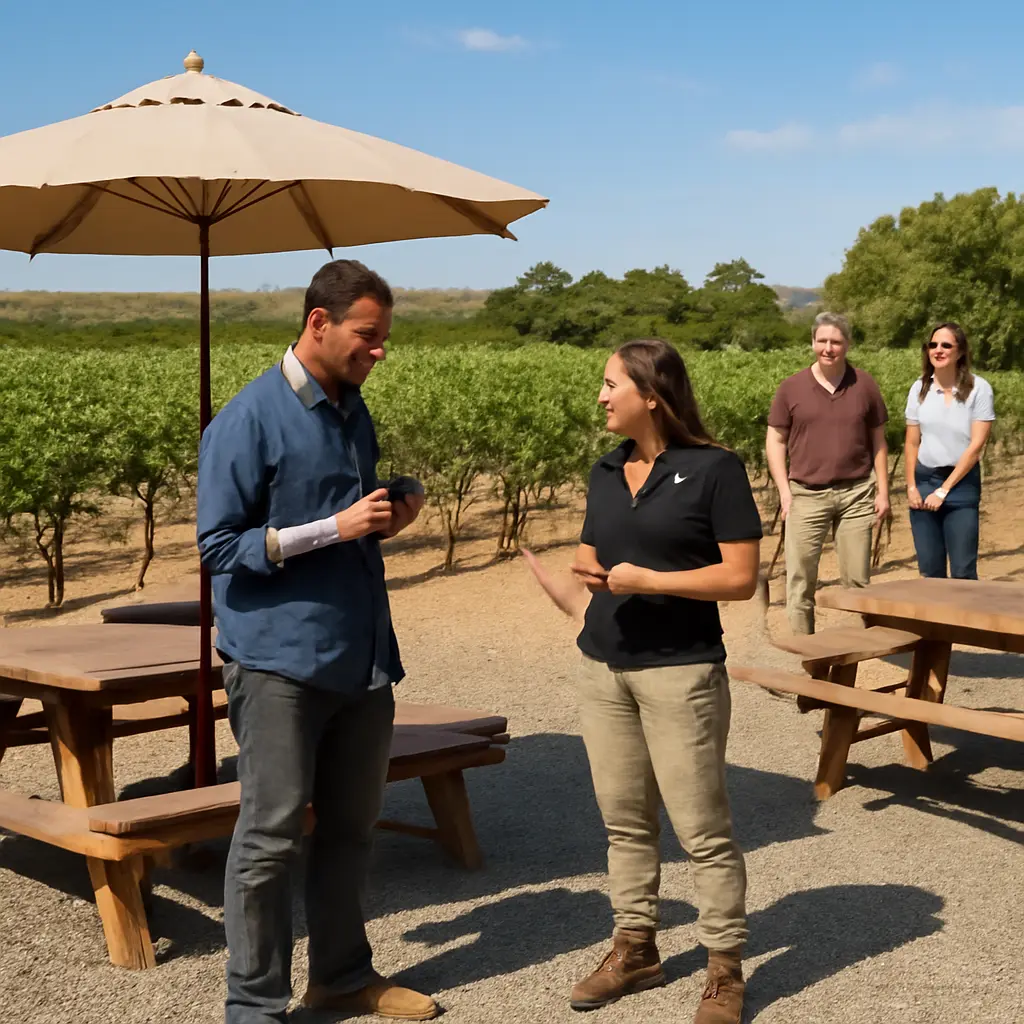
A vineyard visit is a planned experience at a grape-growing property, often combining a winery tour, tasting, meal, or outdoor activity. Groups most often run into trouble by treating a visit like a casual walk-in: they book too late, underestimate travel time, overlook tasting and transport rules, or fail to account for different preferences. Planning around group size, the specific experience, timing, accessibility, and safe transportation helps prevent these avoidable problems. That matters in a major wine-tourism economy: the Wine Institute reports that California welcomed 23.6 million winery visits in 2022, while Visit Napa Valley describes its region as receiving millions of visitors annually.
Booking mistakes that disrupt vineyard visits
A booking mistake is a planning choice or missed detail that makes a group’s vineyard visit harder, less enjoyable, or inconsistent with winery requirements. Wine tourism is not one standard product: a visit may mean a seated tasting, a guided production tour, a picnic, or a private event, and each format can have different capacity, duration, age, and reservation rules. Wine Enthusiast’s wine-tourism guidance emphasizes researching wineries and planning appointments, particularly in well-known regions where visits are structured and demand can be high.
Assuming every winery accepts walk-ins
A walk-in is a visit without a reservation. It may work at some tasting rooms, but it is a poor assumption for a group: wineries may require appointments, have limited seating, or be unable to accommodate several guests arriving together. Before choosing a property, check its current booking policy and confirm that the reservation covers the whole party—not just the person making it. For popular destinations and weekends, book well ahead and ask whether the winery can handle the group’s exact size.
Booking the wrong experience for the group
A tasting flight, vineyard walk, cellar tour, and private hosted tasting are distinct experiences, not interchangeable labels. A group that wants a quick drink may not enjoy a long educational tour, while visitors hoping to see production facilities may be disappointed by a tasting-room-only booking. Read the experience description, duration, inclusions, and cancellation terms, then match them to the group’s interests, budget, and schedule.
This distinction also matters for cost. The Wine Institute’s California winery-visit figure demonstrates the scale of visitor demand, but it does not indicate that every winery has the same prices or service model. Confirm the current per-person fee, whether it is waived with a purchase, and whether food, gratuity, or private-group charges are additional.
Group details that are easy to overlook
Once a group has selected the right type of visit, the next common failures involve practical details: a headcount that changes, unshared dietary or access needs, and assumptions about who can participate. These are easier to resolve before payment than at the host stand.
Giving an inaccurate headcount
The headcount is the number of guests the winery must accommodate. Underestimating it can leave late additions without seats; overestimating it may lead to unnecessary charges or a cancellation dispute. Ask about the winery’s minimum and maximum party size, deposit policy, and deadline for changing the reservation. Assign one organizer to collect confirmations and communicate a final number to the winery.
Forgetting ages, accessibility, and dietary needs
A reservation is suitable only if the experience works for everyone attending. Winery policies on minors, pets, mobility access, and outside food vary, and not every tour route or historic building is step-free. Tell the winery about relevant needs when booking and ask specific questions rather than assuming that a general accessibility statement covers the whole visit. If the outing includes food, confirm how allergies and dietary restrictions will be handled.
Ignoring tasting etiquette and purchase expectations
A tasting is a hosted service, not an obligation to buy a bottle, but groups should understand the fee and service format in advance. Ask whether the tasting is seated or standing, how many wines are included, and whether the charge is per person. Encourage guests to listen to the host, avoid blocking service areas, and make purchases individually without pressuring others. Clear expectations reduce awkwardness and help the group stay on schedule.
Timing and transportation mistakes on vineyard visits
Even a well-chosen reservation can go wrong when the itinerary is too tight or nobody plans a safe ride. Vineyard properties may be spread across rural roads, and travel time between tasting rooms can be longer than a map estimate suggests. Visit Napa Valley’s visitor guidance encourages advance planning and designated transportation; the broader principle applies in wine regions everywhere.
Scheduling too many wineries in one day
A packed itinerary leaves little room for traffic, late starts, meals, or a tasting that runs over. Booking several appointments back-to-back can also make the experience feel rushed. Build in realistic drive time, a meal or snack break, and a buffer between reservations. If the group wants a relaxed visit, fewer wineries with distinct experiences are usually more manageable than a race to collect tasting-room stops.
Failing to arrange a designated driver
A designated driver is a sober person responsible for transportation, but groups do not have to rely on one friend: a hired driver, shuttle, or other prearranged transport may be more practical. Decide the plan before tasting begins, verify pickup locations and operating hours, and avoid assuming rideshare service will be readily available in a rural area. The National Highway Traffic Safety Administration advises planning ahead for a sober ride whenever alcohol is involved. A vineyard itinerary should never depend on someone deciding at the end of the day whether they are safe to drive.
Arriving late or at the wrong entrance
Large estates can have separate tasting-room, event, and production entrances, and some properties are difficult to navigate without directions. Confirm the address, check-in point, arrival window, and late-arrival policy. Share these details with every guest, and nominate one contact person to update the winery if the group is delayed.
A practical checklist for booking vineyard visits
A short confirmation routine prevents many of the most common problems. Before paying a deposit, verify the following:
- Reservation date, start time, duration, and exact party size.
- Experience type, tasting fee, inclusions, purchase terms, and cancellation policy.
- Rules for minors, pets, outside food, and changes to the guest count.
- Accessibility, dietary needs, and any other accommodations.
- Address, entrance, parking, and realistic travel time between stops.
- Safe transportation before the first tasting, including a backup plan.
For example, a group of eight planning a Saturday visit should first confirm that the winery accepts parties of that size, then reserve a specific experience, disclose any access or dietary requirements, and arrange transportation. If the winery cannot host all eight at once, the organizer can ask about a private booking or choose another property rather than splitting the party unexpectedly on arrival.
Conclusion: make vineyard visits easier to enjoy
The most common vineyard-visit mistakes are assuming walk-ins will work, choosing an experience without checking what it includes, sharing an inaccurate headcount, overlooking guest needs, overloading the schedule, and leaving transportation undecided. Confirm the winery’s current policies, build a realistic itinerary, and arrange a sober ride before the visit. These small steps make the day safer and more welcoming for the group—and easier for winery staff to host. Check the winery’s official visitor information before booking, and share the final plan with everyone attending.
Sources: Wine Institute, “California Wine Tourism,” https://wineinstitute.org/our-industry/statistics/california-wine-tourism/; Visit Napa Valley, “Plan Your Trip,” https://www.visitnapavalley.com/; Wine Enthusiast, “How to Plan a Wine Tasting Trip,” https://www.wineenthusiast.com/culture/travel/; National Highway Traffic Safety Administration, “Drunk Driving,” https://www.nhtsa.gov/risky-driving/drunk-driving.