
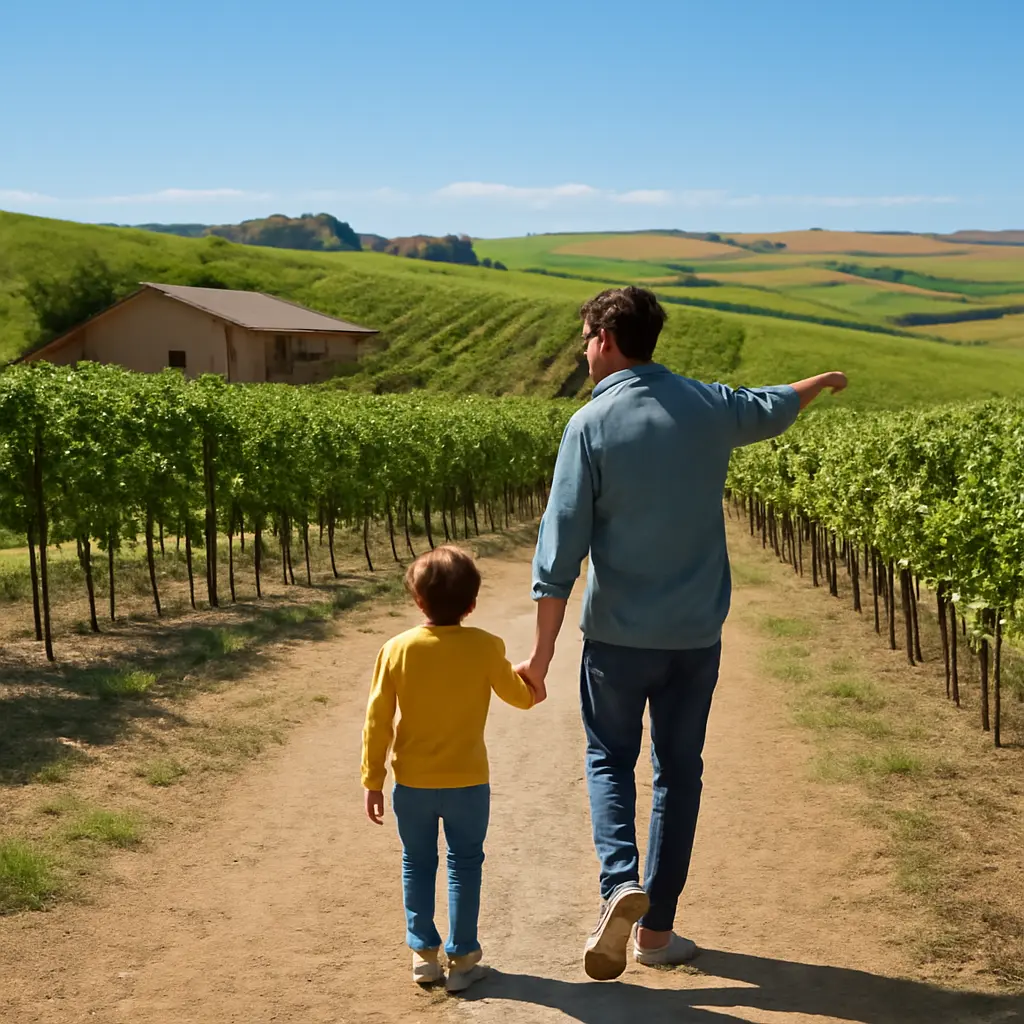
Vineyard getaways are short trips built around visiting wine-growing estates, tasting rooms, vineyard landscapes, and nearby places to eat or stay. For parents, they can offer a slower long weekend with good food, open space, and activities that adults and children can enjoy—provided the destination is genuinely family-friendly. The appeal fits a wider travel pattern: the U.S. Travel Association has reported that leisure travel accounts for most domestic travel, while the American Automobile Association (AAA) regularly finds that many families plan road trips. Vineyard trips are not automatically suitable for children, however; age policies, supervision rules, transport, and non-wine activities matter as much as the tasting menu.
Vineyard weekends combine parent-friendly leisure with family travel
A vineyard weekend is a short break centered on a working vineyard or winery, often paired with local accommodation, dining, outdoor recreation, and visits to neighboring attractions. The National Association of American Wineries describes wineries as businesses that produce and sell wine, but their visitor offerings vary widely: some are dedicated tasting rooms, while others operate restaurants, gardens, tours, events, or lodging.
That range is what makes the idea attractive to parents. Adults can enjoy a change of scenery and, where available, a tasting, while children might explore grounds, picnic, or join a nearby farm or nature activity. The family-travel organization Family Travel Association has highlighted parents’ interest in trips that balance shared experiences with convenience. Still, a vineyard is an agricultural and hospitality site—not necessarily a playground—so families should check policies and facilities before booking.
What makes a vineyard a useful long-weekend base
A good base reduces the number of daily transfers. Lodging on or near the estate can make it easier to return for naps, meals, or downtime, while a compact wine region may offer several stops within a short drive. The U.S. National Park Service’s family-trip guidance similarly emphasizes planning realistic itineraries around children’s pace and needs; that principle applies to winery visits, too.
Parents can compare destinations using practical criteria: whether children are permitted in tasting areas, whether food is available, how much outdoor space is accessible, and whether the itinerary includes non-wine options. These details are more informative than a destination’s general “family-friendly” label.
The appeal—and the limits—of tasting experiences
A tasting is a guided or self-paced sampling of wines, typically accompanied by explanations of grape varieties, production, or the local region. For parents, it can be one part of a trip rather than the whole itinerary. Some wineries welcome children in outdoor areas but restrict them from tasting rooms or tours; others do not admit minors at all. Policies may also change for events or busy seasons.
Responsible planning means arranging a designated driver, using a reputable local transport service, or choosing a walkable stay. The U.S. Centers for Disease Control and Prevention stresses that alcohol impairs driving ability; having a transport plan before a tasting is essential, especially when traveling with children.
Family-friendly vineyard weekends depend on activities beyond wine
The strongest family itineraries treat the vineyard as one stop in a wider regional holiday. This broadens the experience for children and gives adults a more relaxed pace. The main related categories are outdoor play, food and farm experiences, and nearby cultural or nature attractions.
Outdoor space and low-key recreation
Outdoor recreation includes walks, gardens, picnics, and open-air play areas. Vineyard landscapes can be appealing for a family stroll, but vines, machinery, uneven ground, and water features require close supervision. Parents should ask which areas are open to visitors and whether children must remain with an adult.
A useful itinerary alternates a short estate visit with a playground, beach, easy trail, or other child-centered activity. The U.S. National Park Service recommends matching outdoor plans to children’s ages and abilities, bringing water and appropriate clothing, and checking conditions in advance. These straightforward preparations help keep a scenic visit enjoyable rather than tiring.
Farm-to-table meals and nonalcoholic options
Farm-to-table dining connects meals with ingredients produced locally or seasonally. Some wineries offer restaurants, picnic provisions, grape juice, or other nonalcoholic drinks; others have no food service. Families should verify menus, children’s portions, allergy procedures, and reservation requirements before arriving.
Food can also provide a shared activity that does not depend on wine tasting. A regional market, bakery, orchard, or farm shop can help children engage with local food culture while adults explore the destination’s produce and specialties.
Nearby attractions that complete the trip
A wine region may also contain historic towns, cycling routes, museums, lakes, farms, and nature reserves. These attractions are useful “hyponyms” of a broader family vineyard break: distinct trip components that fit under the same getaway concept. They can be especially valuable when a winery has age restrictions or when children need a change of pace.
For example, families visiting California’s Sonoma County can combine winery-area scenery with coastal, agricultural, and small-town outings, while travelers in New York’s Finger Lakes can pair vineyard visits with lakeside recreation and regional museums. These are illustrative regional patterns, not a guarantee that every attraction or winery admits children; confirm current opening hours and age policies directly.
Planning turns a vineyard visit into a practical family escape
A successful trip depends less on visiting many wineries than on choosing the right base, checking rules, and keeping the schedule flexible. Families can use a simple planning sequence to reduce avoidable stress.
Choose lodging and transport before booking tastings
Look for accommodation that suits the family’s routine, including sleeping arrangements, meal access, and space to rest. Then map travel times between lodging, wineries, and child-friendly attractions. If adults plan to taste wine, decide in advance who will drive or arrange transport; do not rely on improvising after a tasting.
Verify age rules, reservations, and accessibility
Contact each venue to ask whether children are permitted, which spaces are accessible, whether reservations are required, and what happens in bad weather. Also check restroom access, stroller suitability, food availability, and any event-specific restrictions. A phone call or current venue policy can prevent a long drive to a site that cannot accommodate the family.
Keep the itinerary short and flexible
Plan one principal winery visit per day rather than packing several tastings into a single afternoon. Leave room for meals, rest, and spontaneous stops. This approach reflects a broader travel-planning principle: realistic schedules tend to work better for families than adult-paced itineraries with tight transfers and back-to-back reservations.
- Confirm children’s admission and supervision requirements directly with each venue.
- Book lodging and transport before setting tasting appointments.
- Balance winery time with outdoor, cultural, or farm-based activities.
- Bring water, snacks, sun protection, and suitable footwear.
- Check weather, opening hours, and cancellation policies shortly before departure.
Conclusion: vineyard trips can work when families plan for everyone
Vineyard weekends offer parents a scenic, food-focused change of pace, but they work best when the trip is designed as a family getaway rather than a tasting tour. Outdoor activities, local meals, nearby attractions, suitable lodging, and safe transport can make the experience more inclusive. Before booking, check age policies and facilities, then build a flexible itinerary around the needs of both adults and children. For further planning, consult regional tourism offices, winery visitor policies, and local family-travel resources.
Sources: National Association of American Wineries, Winery Definitions and Industry Information, https://wineamerica.org/; U.S. Travel Association, Travel Facts and Figures, https://www.ustravel.org/research/travel-facts-and-figures; American Automobile Association, Travel Research and Insights, https://newsroom.aaa.com/; Family Travel Association, Family Travel Survey and Research, https://familytravel.org/; U.S. National Park Service, Plan Like a Park Ranger: Family Travel and Safety Guidance, https://www.nps.gov/; U.S. Centers for Disease Control and Prevention, Impaired Driving, https://www.cdc.gov/impaired-driving/; Sonoma County Tourism, Family Activities and Visitor Information, https://www.sonomacounty.com/; Finger Lakes Tourism Alliance, Things to Do and Regional Visitor Information, https://www.fingerlakes.org/.