
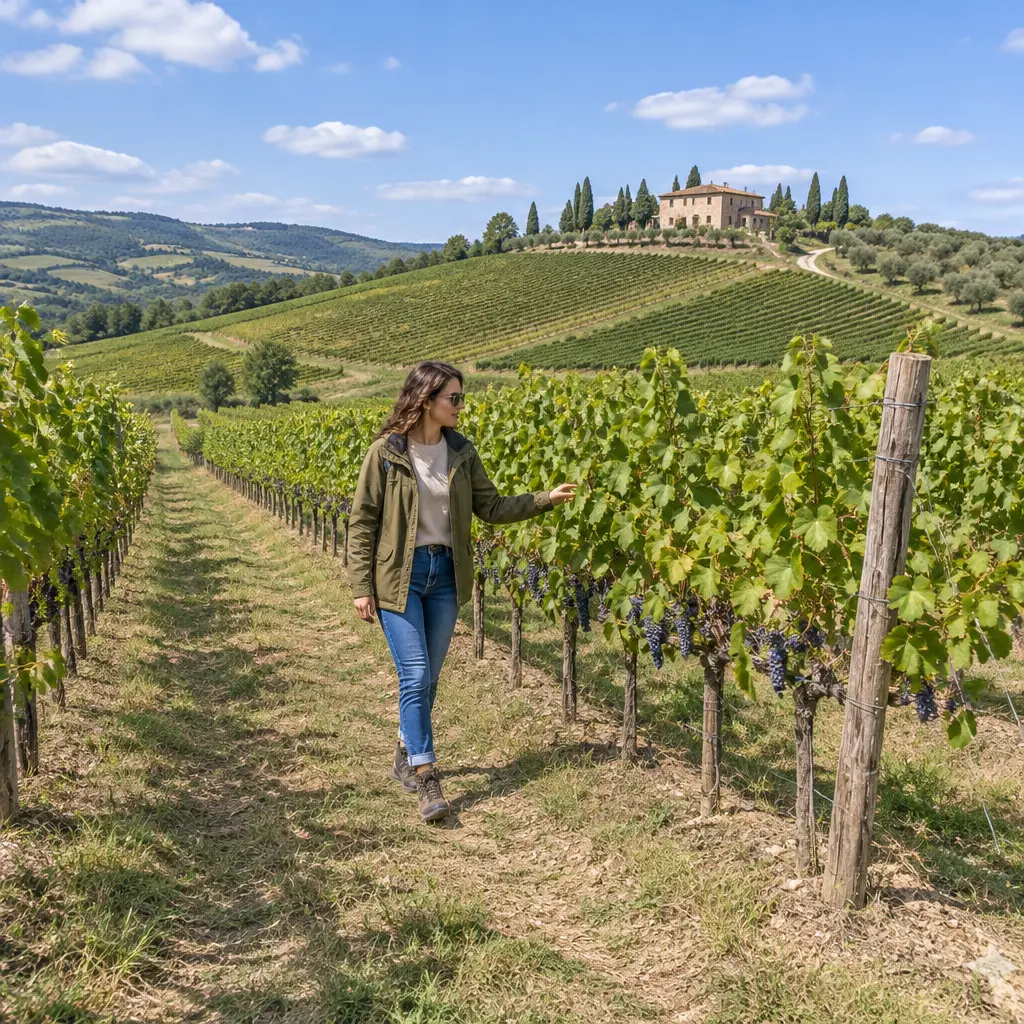
A vineyard visit does not have to include drinking wine: many wineries offer vineyard walks, tours, food, grape-juice options, and nonalcoholic experiences, while some allow guests simply to enjoy the landscape. What is available depends on the property, local rules, and whether reservations are required. The distinction matters because wine tourism is broader than tasting alone: the UN Tourism and International Organisation of Vine and Wine definition of wine tourism includes visits to vineyards, wineries, festivals, and events, as well as wine tasting. Below are practical ways to visit without tasting, what to check before booking, and examples of activities that make a vineyard trip worthwhile.
Vineyard visits include more than wine tasting
A vineyard is land planted with grapevines, while a winery is a place where grapes are processed into wine; one business may operate both. Wine tasting is one possible visitor activity, not the definition of a vineyard visit. UN Tourism and the International Organisation of Vine and Wine describe wine tourism as travel connected with vineyards, wineries, wine-related events, and tasting. That broader scope makes room for visitors who are abstaining, underage, driving, pregnant, or simply uninterested in alcohol.
The scale of the wider wine sector helps explain why visitor experiences vary. The International Organisation of Vine and Wine reported that the world’s vineyard area was about 7.2 million hectares in 2023. That figure refers to land under vines globally—not the number of visitor-ready estates—but it illustrates how vineyards serve many agricultural and cultural roles beyond hosting tastings.
A vineyard tour without tasting
A vineyard tour focuses on the place and its production: vine varieties, seasonal work, soil, climate, harvesting, and the route from grape to bottle. Visitors can often join the tour and skip the tasting portion, but this is not guaranteed. Some operators sell a single package that combines a tour with a tasting, so ask whether a non-tasting ticket or an observation-only option is available before booking.
A vineyard visit without a winery tour
Some properties welcome guests to a garden, restaurant, farm shop, picnic area, or scenic grounds without offering access to production spaces. Others restrict access to booked tours or paying customers. Check the estate’s visitor policy rather than assuming that vineyard land is open to the public; working farms are private property, and seasonal operations can affect access.
Once you separate the visit from the tasting, the next question is what to do instead. Many estates build their offer around food, scenery, agriculture, and local history.
Vineyard experiences offer nonalcoholic alternatives
Walks, scenery, and vineyard education
A guided walk can explain how grape growing changes with the season and how factors such as slope, sunlight, and soil influence vineyard work. Depending on the estate, a visit may include views of the vines, a winery building, or a demonstration of harvesting and production. Ask whether the route is accessible and how long it lasts, especially if you are visiting during hot weather or uneven-ground conditions.
Food, picnics, and local produce
Some vineyards have restaurants, cafés, food pairings, or picnic packages that can be enjoyed without alcohol. Others allow outside food only with advance permission, or do not permit picnicking at all. Confirm what is included in the booking and whether food service is available on your visit date. A meal built around regional ingredients can make the estate experience complete even when wine is not part of the plan.
Grape juice and other alcohol-free choices
An alcohol-free option may be grape juice, sparkling water, a soft drink, or a nonalcoholic wine, but availability differs from one winery to another. “Dealcoholized wine” is not necessarily the same as a drink guaranteed to contain zero alcohol; production methods and labeling rules vary by country and product. If avoiding alcohol is important for health, pregnancy, recovery, religion, or another reason, ask staff about ingredients and alcohol content rather than relying on the name of the drink.
These alternatives are especially useful for mixed groups: guests who want to taste can do so, while others join the tour, enjoy the grounds, or choose a nonalcoholic drink. Planning ahead prevents the non-drinker from being treated as an afterthought.
Planning a vineyard visit without tasting wine
Check the booking terms and age policy
Before paying, ask whether the admission price includes a tasting, whether tasting is optional, and whether a reduced non-tasting rate is offered. Confirm rules for children and other non-drinkers: some venues welcome all ages, while others operate as adults-only spaces or limit children to certain areas. Also check whether a reservation is needed for tours, meals, or grounds access.
Make access and transport part of the plan
Vineyard visits can involve slopes, gravel paths, steps, and long distances between buildings. Contact the estate about step-free routes, accessible restrooms, seating, and mobility support if these matter to your group. Rural wineries may have limited public transport, so decide how everyone will travel before arrival; not tasting wine does not eliminate the need to plan a safe journey.
A simple checklist for a no-tasting visit
- Ask whether the vineyard or winery allows visitors who do not taste.
- Confirm the tour’s duration, walking conditions, and what the ticket includes.
- Check for food, grape juice, or other nonalcoholic drinks.
- Review age, accessibility, photography, and outside-food policies.
- Book transport and check opening hours, weather, and seasonal restrictions.
A vineyard visit can be about landscape, farming, food, architecture, and learning—not only alcohol. Vineyard tours, winery grounds, meals, and alcohol-free drinks can all provide a satisfying experience, but each estate sets its own rules. Contact the property in advance, explain that you do not plan to taste, and choose the activities that suit your group. For further planning, consult the vineyard’s visitor information and local tourism office.
Sources: UN Tourism and International Organisation of Vine and Wine, Global Conference on Wine Tourism: Definition of Wine Tourism, https://www.unwto.org/global-conference-wine-tourism; International Organisation of Vine and Wine, State of the World Vine and Wine Sector in 2023, https://www.oiv.int/what-we-do/focus/what-we-do/state-of-the-world-vine-and-wine-sector-in-2023