
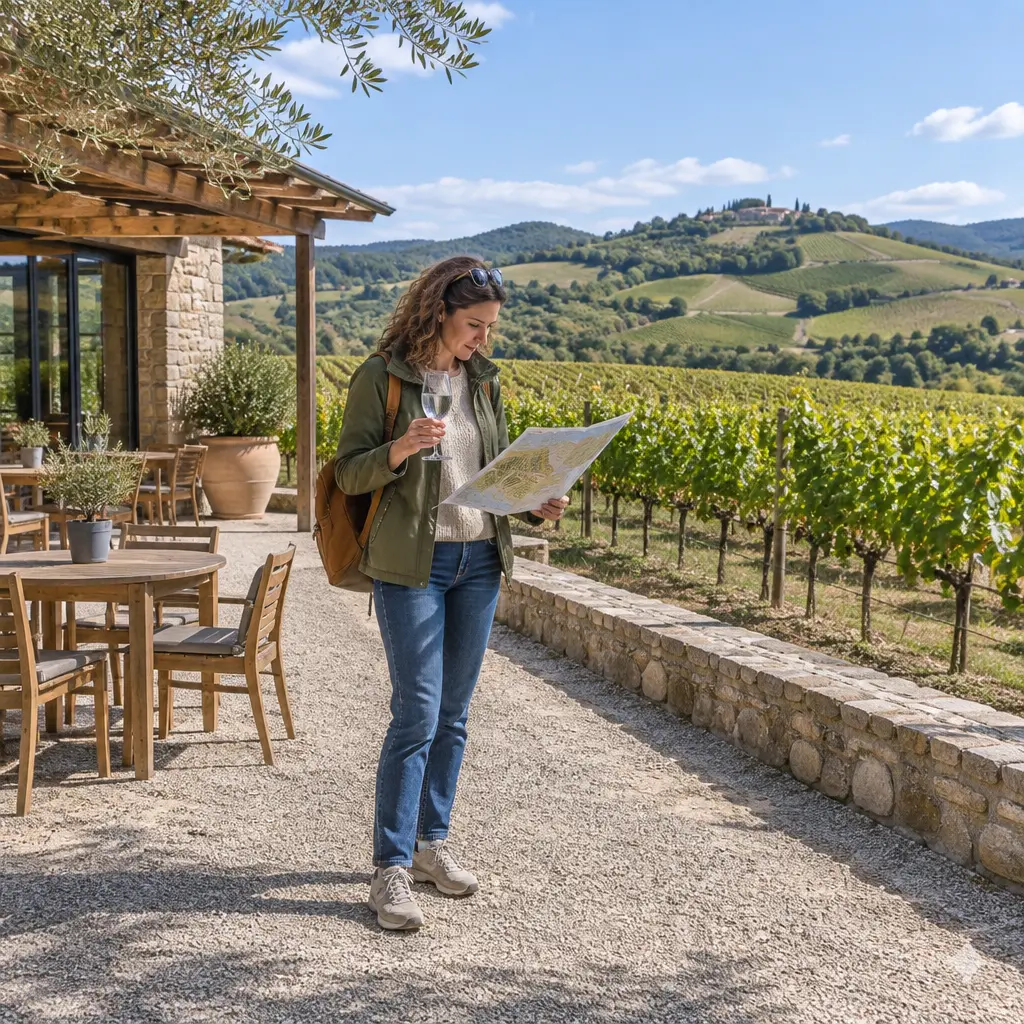
A sober winery visit is a wine-country experience that does not require drinking alcohol: guests can enjoy vineyard scenery, food, tours, and alcohol-free beverages while choosing not to taste wine. Wineries vary in what they offer, so visitors should check menus and tasting policies in advance. The options range from water, juice, and designated-driver pours to dealcoholized wine and structured non-drinking visits. These choices matter in a U.S. market where Gallup reported in 2023 that 62% of adults said they drink alcohol, the lowest share recorded in its trend since 1939; a winery can make hospitality more inclusive by welcoming people who abstain, are driving, are pregnant, take medication, or simply prefer not to drink.
Winery Non-Alcoholic Options: Definitions and Guest Choices
“Non-alcoholic” can describe different products and experiences, and it is useful to distinguish them. The U.S. Alcohol and Tobacco Tax and Trade Bureau (TTB) regulates alcohol labeling for wine. Under federal rules, “alcohol free” is reserved for products containing no alcohol, while “non-alcoholic” may be used for a beverage containing less than 0.5% alcohol by volume (ABV) if the label also states “contains less than 0.5% alcohol.” These terms are not interchangeable with “dealcoholized,” which generally describes a beverage made from fermented wine after alcohol has been removed.
Water, juice, and other alcohol-free refreshments
The simplest non-alcoholic winery options are still or sparkling water, grape juice, soft drinks, coffee, and tea. These are appropriate choices for guests who want to avoid alcohol entirely, though visitors with strict requirements should ask whether drinks are made or served with shared equipment. A winery may offer refreshments without including them in a formal tasting flight, so it is sensible to confirm availability and price before booking.
Dealcoholized wine and wine-style alternatives
Dealcoholized wine begins as fermented wine, then has most or nearly all of its alcohol removed. The resulting product may retain some wine-like aromas and flavors, but it is not identical to conventional wine: alcohol contributes to body, aroma release, texture, and perceived warmth. Products also differ in residual alcohol and labeling. Guests avoiding alcohol for health, religious, recovery, pregnancy, or medication-related reasons should check the bottle’s ABV and consult a qualified clinician when necessary rather than assuming that a “non-alcoholic” label means zero alcohol.
Designated-driver pours and tasting participation
Some wineries provide a smaller or complimentary designated-driver pour, while others offer a reduced-price visit with no wine. A designated-driver pour is still an alcoholic beverage, not a non-alcoholic substitute; the guest should choose water or another alcohol-free drink if they are abstaining. Visitors can also take part in a tour, learn about grape varieties and production, smell aromas, or taste food pairings without drinking. Asking the winery to explain its policy helps ensure that a sober guest is included in the experience rather than treated as an afterthought.
Sober Winery Visits: Planning, Safety, and Hospitality
A sober visit is a winery outing in which a guest does not consume alcohol, whether by personal choice or circumstance. It can mean attending with wine-drinking companions while choosing alternatives, or selecting an experience designed around food, landscape, production, or non-alcoholic drinks. This broader definition connects beverage availability with practical matters: transportation, tasting-room policies, group planning, and an atmosphere that does not pressure guests to drink.
Check menus, fees, and accessibility before arrival
Call or check the winery’s current information to ask whether it serves alcohol-free beverages, allows non-tasting guests, charges an admission or tasting fee, and offers food or non-drinking tours. Menus and policies can change seasonally. If a group includes both drinkers and non-drinkers, confirm whether everyone can participate in the same reservation and whether the winery can provide an alternative flight or activity.
Make transportation part of the plan
Choosing not to drink is a sound way to avoid alcohol-related impairment, but a group should still plan transportation before visiting multiple tasting rooms. The National Highway Traffic Safety Administration emphasizes that impairment affects driving and that the safest choice after drinking is not to drive. Use a sober driver, designated transport, a shuttle, or a rideshare where available; do not rely on a guest’s estimate of their own impairment. A non-drinking visitor can also enjoy the day without being assigned responsibility for everyone else’s transport.
Support inclusive, pressure-free hospitality
Inclusive winery hospitality means offering a welcoming visit without assuming that every adult wants to taste alcohol. Staff can describe alcohol-free choices plainly, identify ABV when known, and avoid framing abstinence as unusual. Hosts can help by asking each guest what they would like, rather than automatically pouring wine for the whole party. This approach serves designated drivers and abstaining guests while making the visit more comfortable for people who do not wish to explain a personal choice.
Wine-Country Experiences Beyond the Tasting Flight
A winery visit is not limited to drinking. Vineyard walks, cellar tours, architecture, local food, art, and scenic viewpoints can make the experience worthwhile for every guest. These alternatives also help wineries reach visitors whose interests are tied to agriculture, hospitality, or regional culture rather than alcohol consumption.
Food, scenery, and vineyard activities
Guests can ask about picnics, lunch service, tasting menus, garden access, vineyard walks, or seasonal events. A food-focused booking can be especially useful when a group has different preferences: wine drinkers may taste, while others enjoy the meal and setting. Check reservation requirements, outdoor access, and rules about bringing food or pets before setting out.
Learning about wine without consuming it
A production or vineyard tour can explain grape growing, fermentation, aging, bottling, and the influence of climate and soil without requiring guests to drink. Some hosts may offer aroma exercises or describe tasting notes verbally; availability varies. Visitors can make clear that they are interested in the educational component but will not be tasting, allowing staff to suggest the most suitable tour.
Conclusion: Make Sober Winery Visits Welcoming
Non-alcoholic winery options include completely alcohol-free refreshments, dealcoholized products with potentially small amounts of alcohol, and visits centered on food, tours, and scenery. Sober winery visits are easier to plan when guests check ABV, tasting fees, menus, and transportation in advance. Gallup’s finding that 62% of U.S. adults reported drinking alcohol in 2023 underscores that drinking is not universal. Visitors can contact wineries to ask for clear alternatives, and wineries can improve hospitality by making those choices visible, accurately described, and free of pressure.
Sources: Gallup, “Fewer U.S. Adults Consider Drinking in Moderation Healthy,” 2023, https://news.gallup.com/poll/509644/fewer-adults-consider-drinking-moderation-healthy.aspx; Alcohol and Tobacco Tax and Trade Bureau, “27 CFR § 4.21—The standards of identity,” https://www.ecfr.gov/current/title-27/chapter-I/subchapter-A/part-4/subpart-C/section-4.21; Alcohol and Tobacco Tax and Trade Bureau, “Alcohol Beverage Labeling,” https://www.ttb.gov/labeling-wine/alcohol-beverage-labeling; National Highway Traffic Safety Administration, “Drunk Driving,” https://www.nhtsa.gov/risky-driving/drunk-driving.